
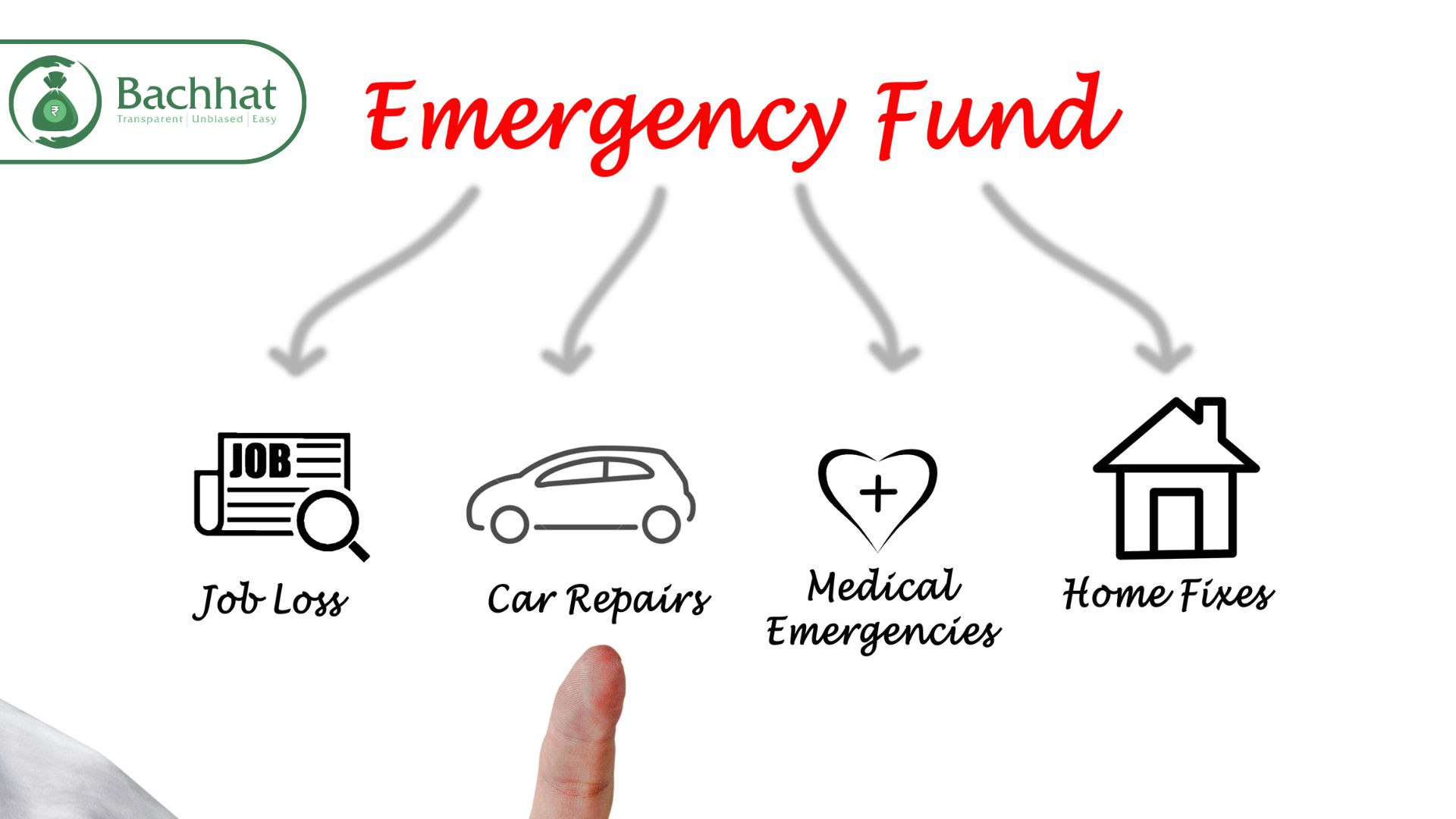
Setting up an emergency fund is the first and most important step in any financial planning process. It acts as a financial shock absorber, protecting you from unexpected events without forcing you into debt or disrupting long-term investments. However, in practice, emergency funds are often used too casually for non-emergency expenses, or left untouched even during genuine financial emergencies
This is why it is crucial to clearly understand when it is appropriate to withdraw money from an emergency fund.
The TRUE test for Emergency Fund Withdrawal
We have formulated the TRUE test to determine whether you need to dip into your emergency pool or not. Any withdrawals from your emergency fund should pass this TRUE test. If even one component of the TRUE Test fails, the emergency fund should not be touched.
What is the TRUE Test:
The TRUE Test consist of four essential conditions:
T = TIMELY
R = REQUIRED
U = UNPLANNED
E = EXHAUSTED ALTERNATIVES
Only when all four conditions are met should you consider using your emergency fund.
Understanding Each Component of the TRUE Test
Let us delve into each component of TRUE in detail:
When To Withdraw from Your Emergency Fund?
If an expense meets all four conditions of the TRUE test, then you can dip into the Emergency pool for such expenses. If even one condition is not met, you should not touch the emergency fund.
The TRUE framework prevents the misuse of emergency funds. With this framework, one can avoid:
Applying the TRUE Framework to Real-life Examples:
Scenario | T (Timely) | R (Required) | U (Unplanned) | E (Exhausted Alternatives) | Emergency Fund? |
Sudden job loss, monthly expenses due | ✅ | ✅ | ✅ | ✅ | YES |
Emergency hospitalisation; insurance covers only part of the bill | ✅ | ✅ | ✅ | ✅ | YES |
Major water leakage making the house unliveable | ✅ | ✅ | ✅ | ✅ | YES |
Car breakdown needed to commute to work | ✅ | ✅ | ✅ | ❌ | NO |
Annual insurance premium payment | ❌ | ✅ | ❌ | ❌ | NO |
Planned home renovation for aesthetics | ❌ | ❌ | ❌ | ❌ | NO |
Vacation | ❌ | ❌ | ❌ | ❌ | NO |
Bachhat’s Take:
The purpose of an emergency fund is not just to have money set aside, but to use it wisely when life truly demands it. Bachhat’s TRUE Emergency Test ensures that emergency funds are used only when the situation is Timely, Required, Unplanned, and when all Alternatives are Exhausted.
This simple framework removes emotion from decision-making and replaces it with discipline — helping you protect your long-term financial stability while still supporting you during genuine crises. When in doubt, let the situation pass the TRUE test before touching your emergency fund.
By: Vishal Shah, SEBI Registered Investment Advisor and founder of Bachhat
December 16, 2025
Disclaimer: This is not a financial advice and the readers should reach out to registered investment advisors for any financial advice. Registration granted by SEBI, membership of BASL and certification from National Institute of Securities Markets (NISM) in no way guarantee performance of the intermediary or provide any assurance of returns to investors. Investment in securities market are subject to market risks. Read all the related documents carefully before investing.

Vishal Bharat Shah
SEBI Registration Details
Registered Name: Vishal Bharat Shah | RIA No: INA000019220 | Reg. Type: Individual | Validity: Perpetual | Reg. address: C302, Lorelle, Datta Mandir Rd, Wakad, Pune 411057
Disclaimer: Registration granted by SEBI, membership of BASL and certification from National Institute of
Securities Markets (NISM) in no way guarantee performance of the intermediary or provide any
assurance of returns to investors.
Investment in securities market are subject to market risks. Read all the related documents
carefully before investing.
Copyright @2024 -2025 Bachhat, All rights reserved
Developed by Web Creators India
WhatsApp us